
Tymewear VitalPro

Tymewear VitalPro Brings Real‑Time Breathing Thresholds to Wahoo ELEMNT
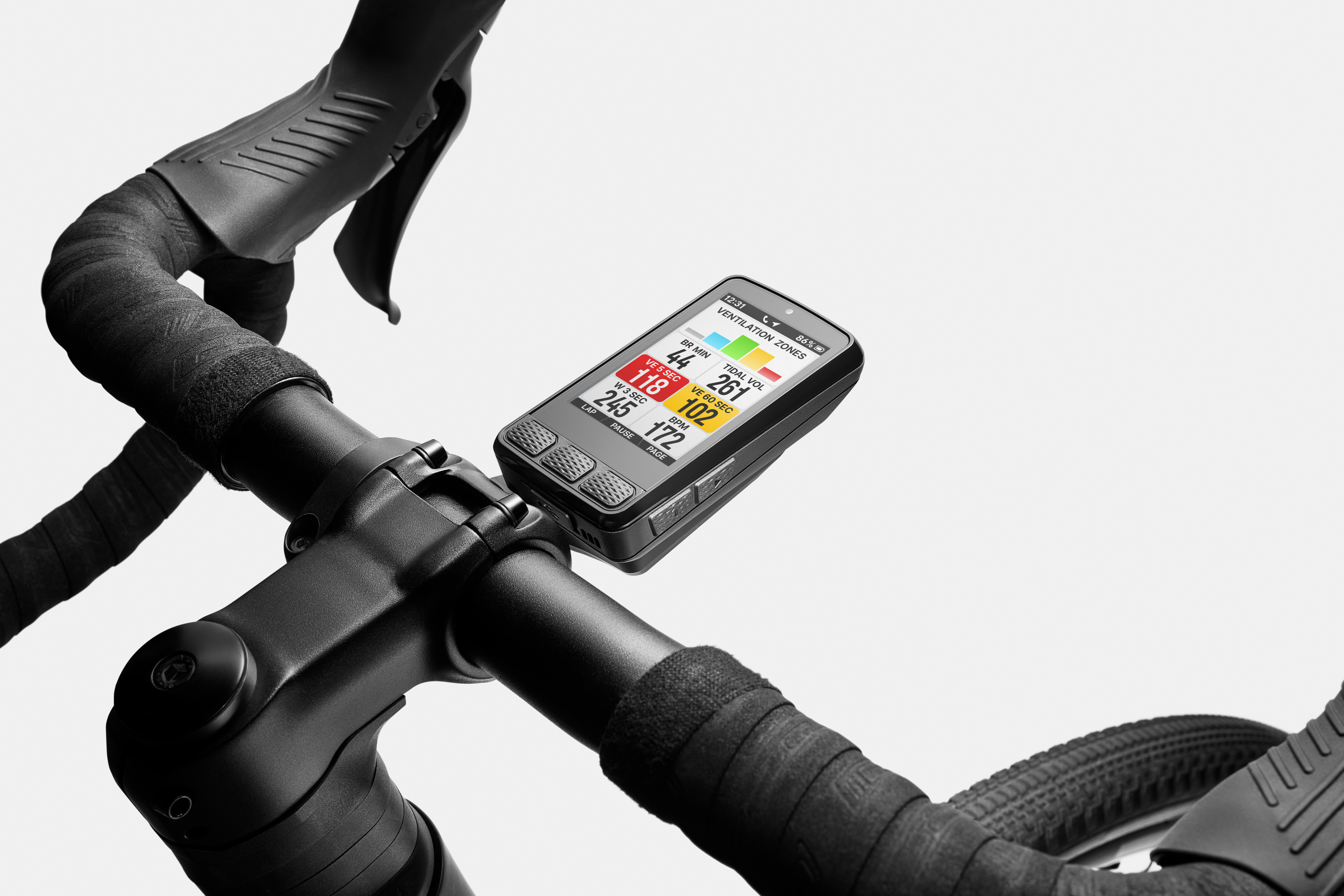
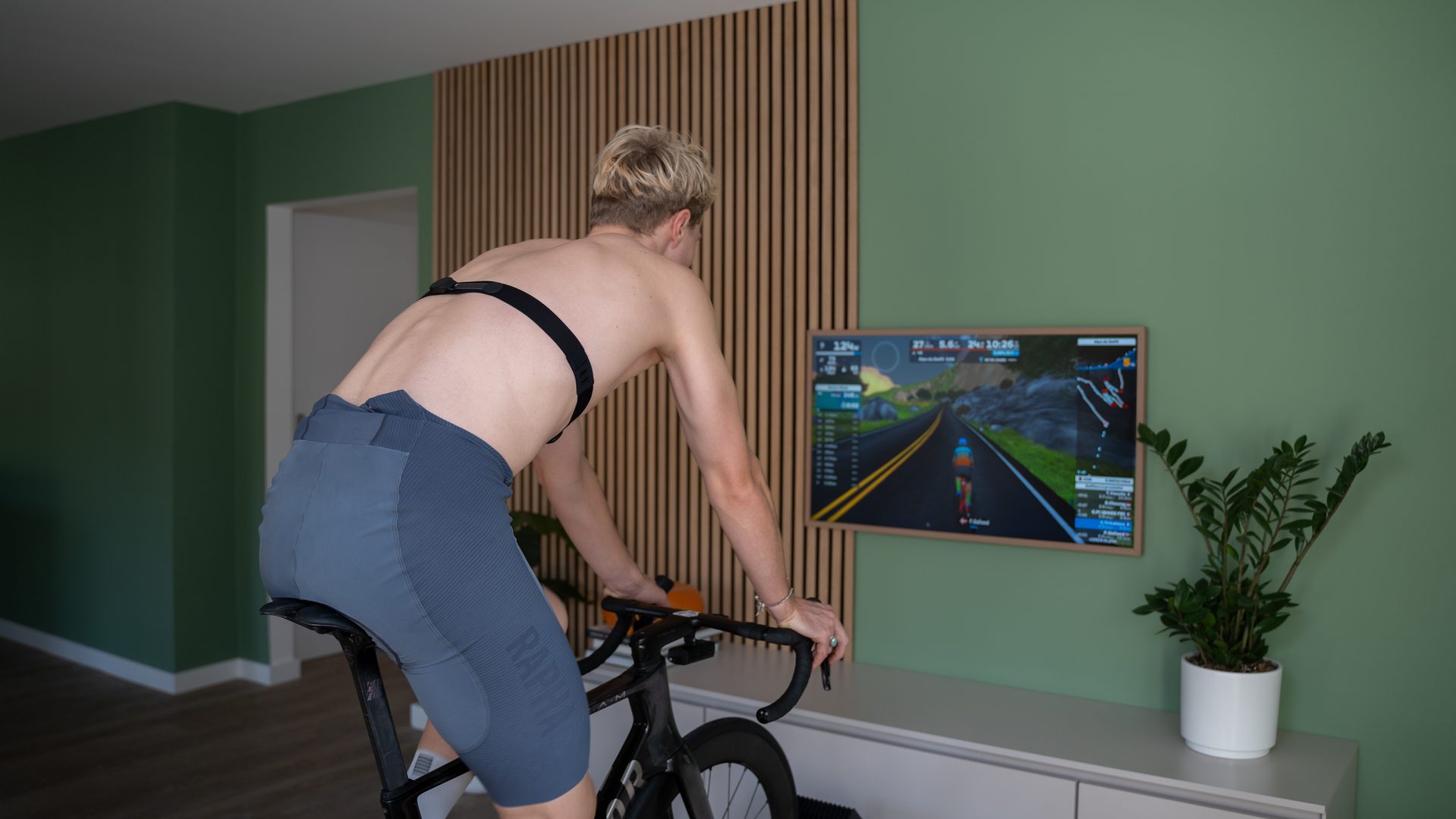
Tymewear has announced a major integration between its VitalPro breathing‑rate chest strap and Wahoo’s ELEMNT V3 bike computers. Which they say brings real‑time ventilatory threshold data directly to the handlebars of everyday cyclists. For riders who already train with power and heart rate, this marks the arrival of a third physiological metric that could reshape how training zones are set and how intensity is controlled on the road.
Why breathing matters more than you think
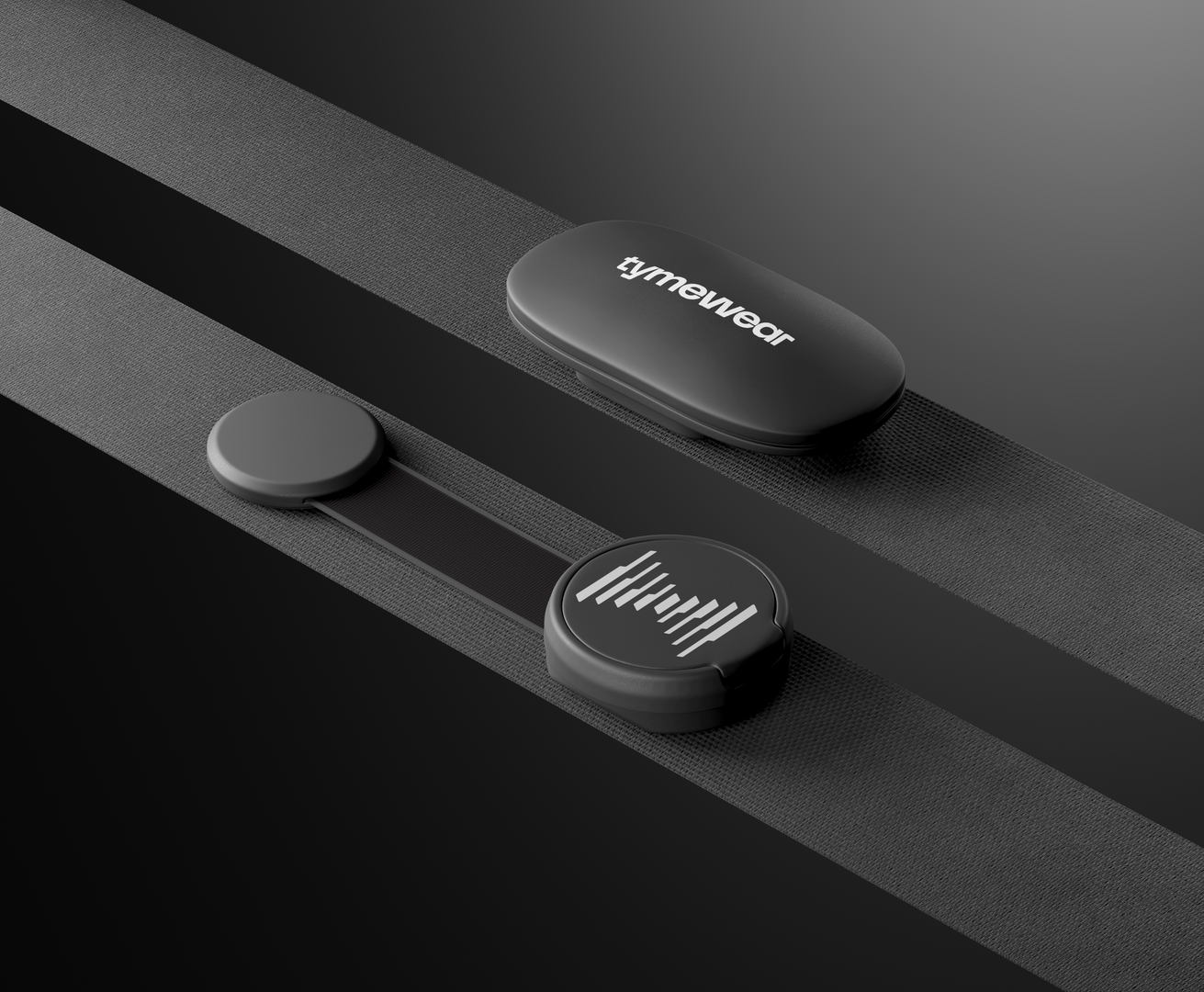
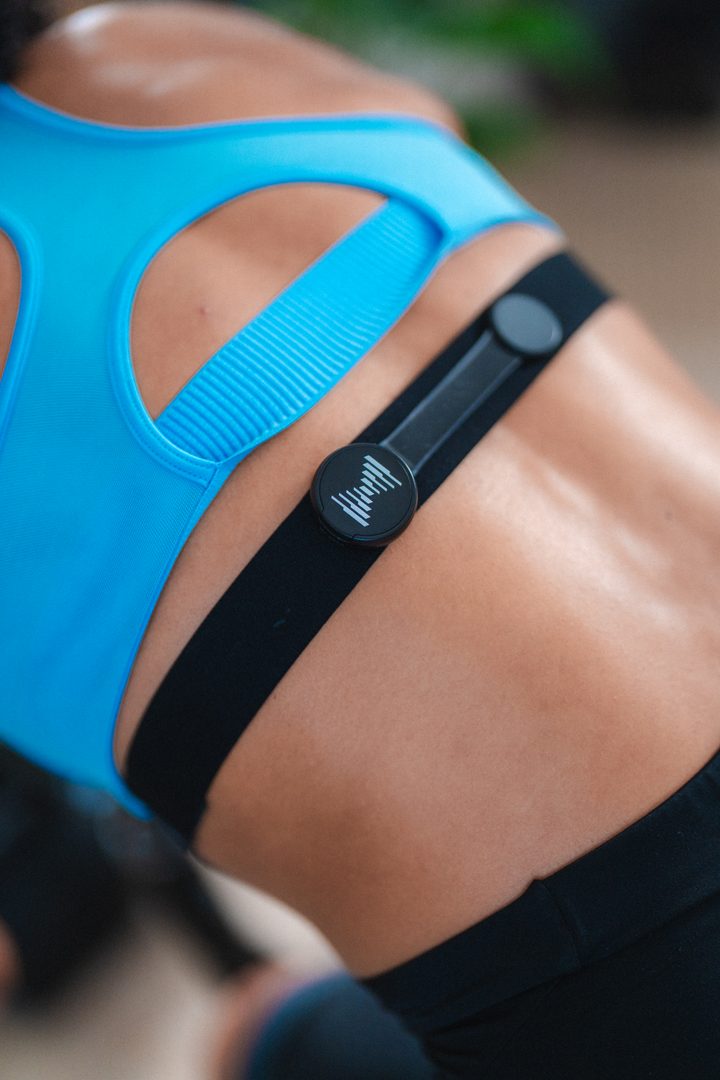
Unlike traditional chest straps, the VitalPro doesn’t measure heart rate. Instead, it tracks breathing rate and ventilation, identifying VT1 and VT2. These are the two ventilatory thresholds that map closely to metabolic changes inside the body.
For cyclists, these thresholds are often more stable and more personalised than heart‑rate zones, which can drift with fatigue, heat, caffeine, or stress. Tymewear claims 97% accuracy compared to laboratory tests, giving riders access to lab‑grade respiratory analysis without the lab visit.
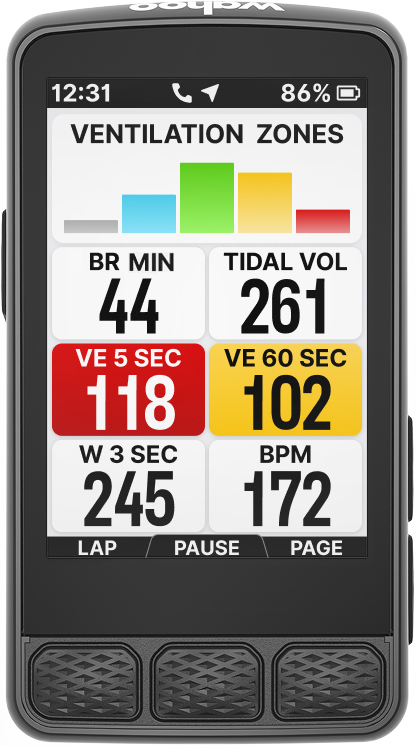
With the new Wahoo integration, riders can now see:
- Breathing rate
- Ventilation
- VT1 and VT2 markers
- Breathing‑based training zones
…all displayed live on their ELEMNT head unit.
A shift away from generic zones
Tymewear positions breathing as the “source of truth” for endurance intensity. Instead of relying on %HRmax or %FTP, which assume all riders respond similarly, ventilatory thresholds reflect each athlete’s unique physiology.
The science backing this approach is strong:
- A 2025 review by Hansen et al. analysed 5,312 participants across 15 studies and found 0% non‑responders when training was prescribed using thresholds, compared with 31–58% using peak‑effort methods. Fitness gains were more than double (VO₂peak +4.1 vs +1.8 mL/kg/min). Source: Hansen D. et al., Sports Medicine (2025).
- A landmark RCT by Wolpern et al. (2015) showed 100% responder rate using threshold‑based training vs 41.7% using %HRR—despite identical training loads.
- Earlier work by Meyer, Gabriel & Kindermann (1999) questioned the validity of prescribing intensity using fixed percentages of VO₂max or HRmax, highlighting the need for individualised markers.
For cyclists building structured training plans, these findings suggest that breathing‑based thresholds may offer a more reliable anchor for endurance, tempo, and threshold sessions.
How this helps cyclists on the road
The integration means riders can now:
- Hold VT1 for long endurance rides without drifting into junk‑miles intensity
- Target VT2 for threshold intervals with more precision than HR alone
- Spot over‑reaching when breathing rises disproportionately to power
- Track recovery by observing how quickly ventilation stabilises
- Individualise training zones without lab testing
For riders preparing for long events – sportives, gravel races, or multi‑day epics – breathing‑based pacing could help avoid the classic mistake of going too hard, too early.
What Tymewear and Wahoo say
Tymewear founder Arnar Larusson describes the integration as a breakthrough: “Cyclists can see exactly when they cross their ventilatory thresholds, live on the ride.” Wahoo CEO Gareth Joyce frames it as part of their commitment to meaningful innovation within the ELEMNT ecosystem.
The firmware update is available now for all ELEMNT V3 users.
Pricing
- VitalPro – £299.99 / $299 / €299
- VitalPro + ProTraining (1 year) – £399 / $399 / €399
- VitalPro + ProTraining (2 years) – £449.99 / $449 / €449
Coming soon: hands‑on testing with Ric Stern
We’ll be handing the Tymewear VitalPro chest strap to Ric Stern, founder of CycleCoach, to see how the strap performs in real‑world training. Ric has decades of experience coaching riders using power, heart rate, and metabolic testing; so he’s perfectly placed to evaluate whether breathing‑based thresholds genuinely offer an edge.
Expect a full review once he’s put the device through structured intervals, long endurance rides, and indoor testing.


