
TransPortugal Stages

TransPortugal Stages – a break down
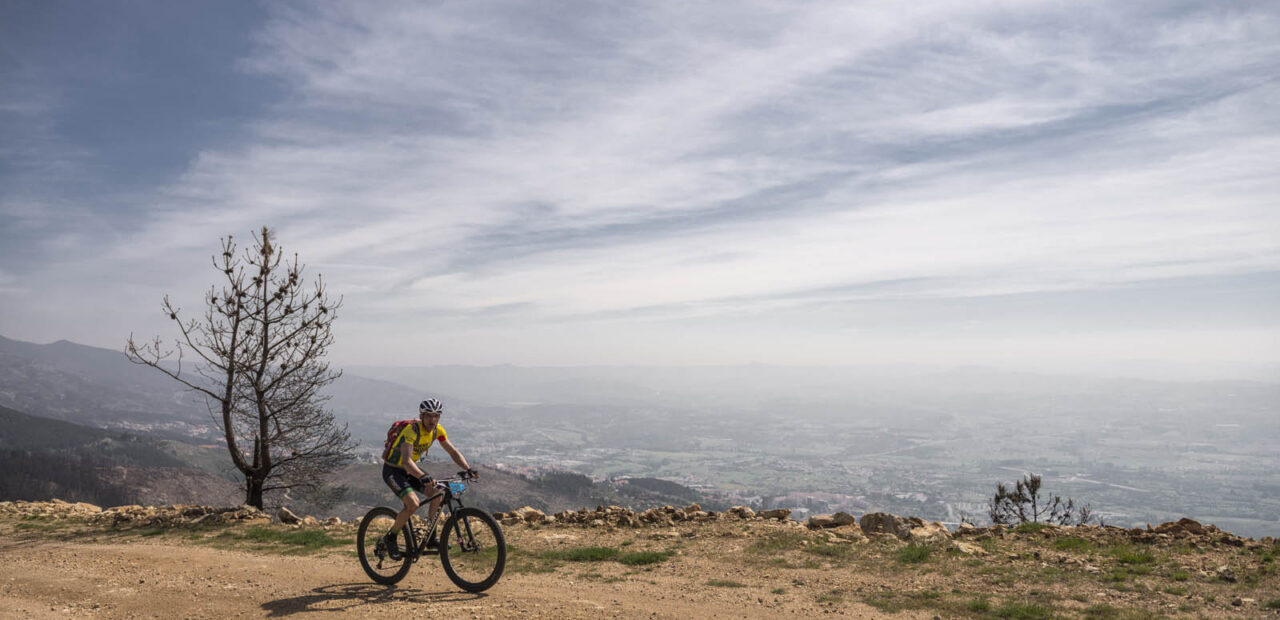
TransPortugal Stages, seven consecutive days in the saddle, covering 830 km and around 16,000 m of climbing. No arrows, no tape, no marshals shouting directions, everything is GPS‑guided. That means I’ll be glued to my device, trusting the track to lead me across forests, gravel roads, and singletrack clifftops. It won’t just be about speed; it’s about pacing myself so I don’t burn all my matches on day one.
The Logistics
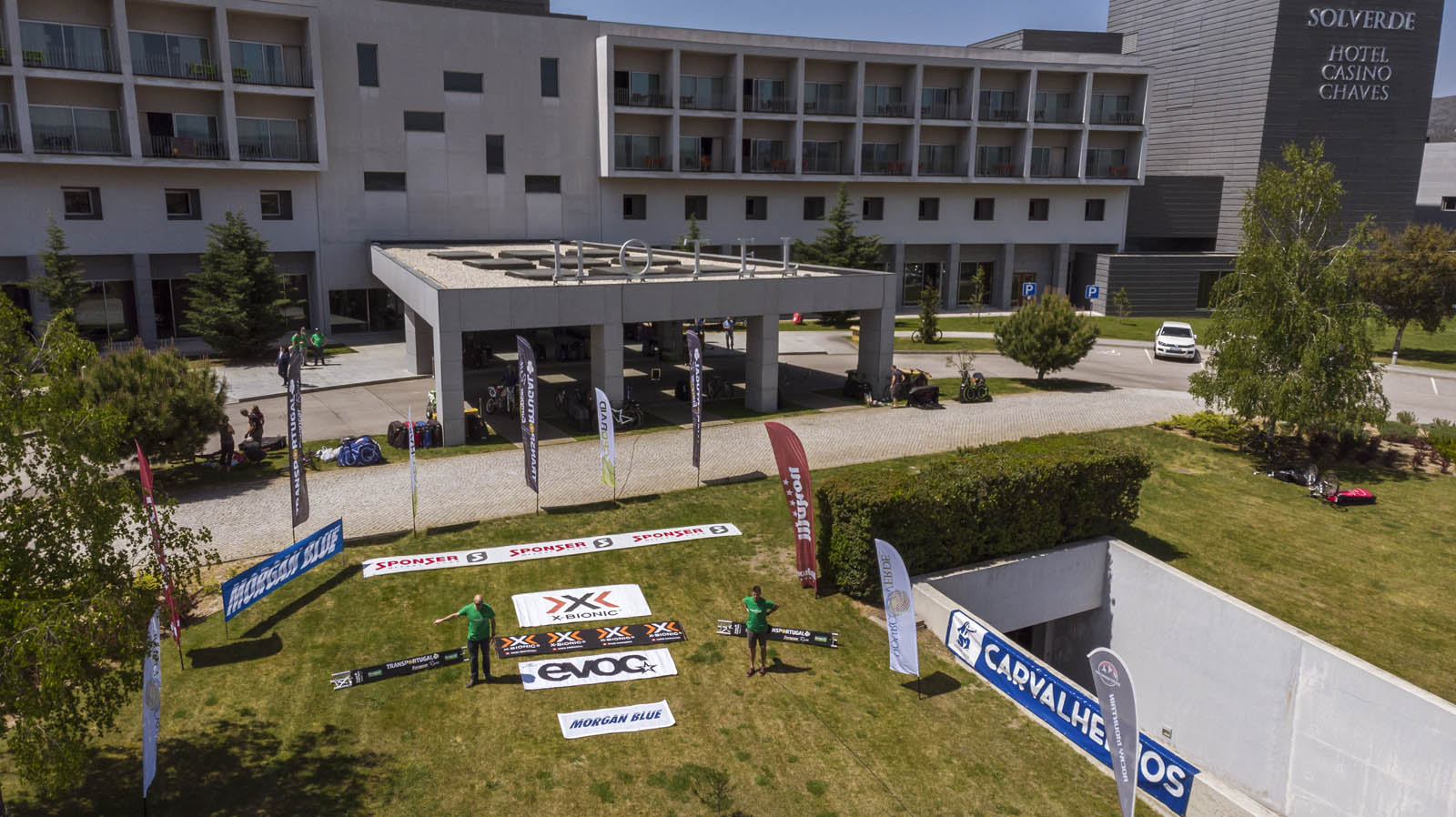
Each night ends in a different hotel, with dinner and breakfast included. That’s a huge relief, no scrambling for food or a bed after hours in the saddle. There’s even the option of bike service and massages at the end of each stage. I’ve never had someone tune my bike and knead my legs while I collapse into a chair, but I suspect I’ll be very grateful.

The Experience
The route is a journey through Portugal’s heart, from the mountains in the north to the Algarve coast in the south. Every day promises new landscapes; vineyards, medieval villages, cork forests, and finally the Atlantic. Riders range from twenty to nearly eighty years old. Some have done it more than ten times, earning the title of “Immortal”. That tells me this isn’t just a race; it’s a pilgrimage of sorts.
The Challenge for Me
As I said previously, I’ve done long one‑day epics, but never back‑to‑back efforts like this. The real test will be recovery: eating enough, sleeping well, and managing fatigue so I can get back on the bike each morning. Mentally, I’ll need to embrace the rhythm: ride, eat, recover, repeat. It’s less about one heroic effort and more about consistency across a week.
My Mindset Going In
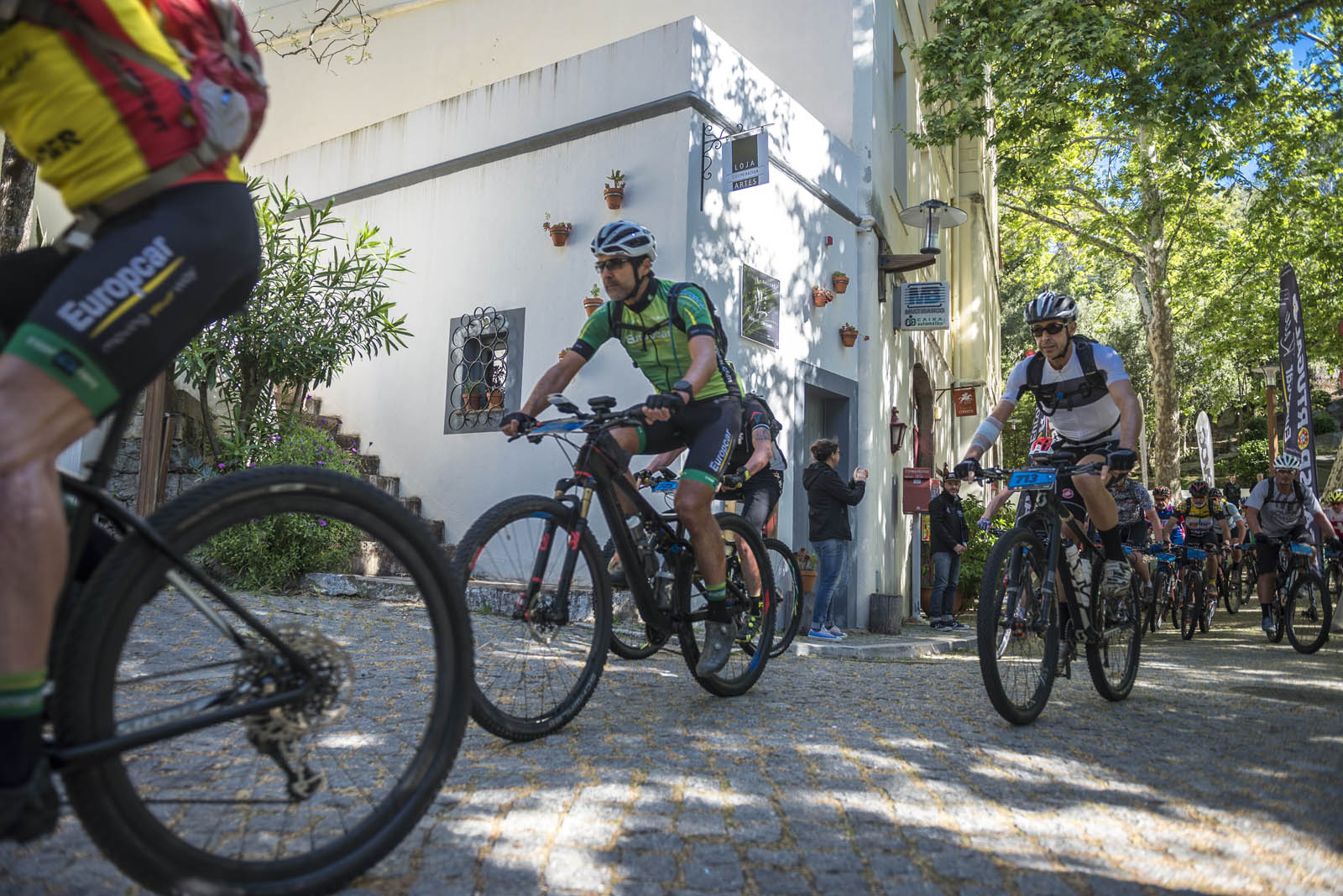
I’m not thinking about chasing a result, I’m doing it to push my limits, to see what happens when the legs are heavy, but the road still stretches on. I’m going to discover Portugal in the most intimate way possible, pedal stroke by pedal stroke. I’ve visited Portugal many times, I’m half Portuguese, so this will be a chance to see more of my favourite country.
That makes TransPortugal even more special for me. It’s not just a race, it’s a kind of homecoming on two wheels. I’ll be riding through landscapes that are part of my heritage, but in a way most people never get to experience: connecting the country’s regions by muscle and grit, watching the scenery shift from the granite mountains of the north to the golden plains of the Alentejo and finally to the Algarve coast.
By the time I roll into Tavira – hopefully having completed all seven TransPortugal stages – I’ll have crossed an entire country under my own power. That’s not just a race result, it’s a story I’ll carry forever.
TransPortugal Stages
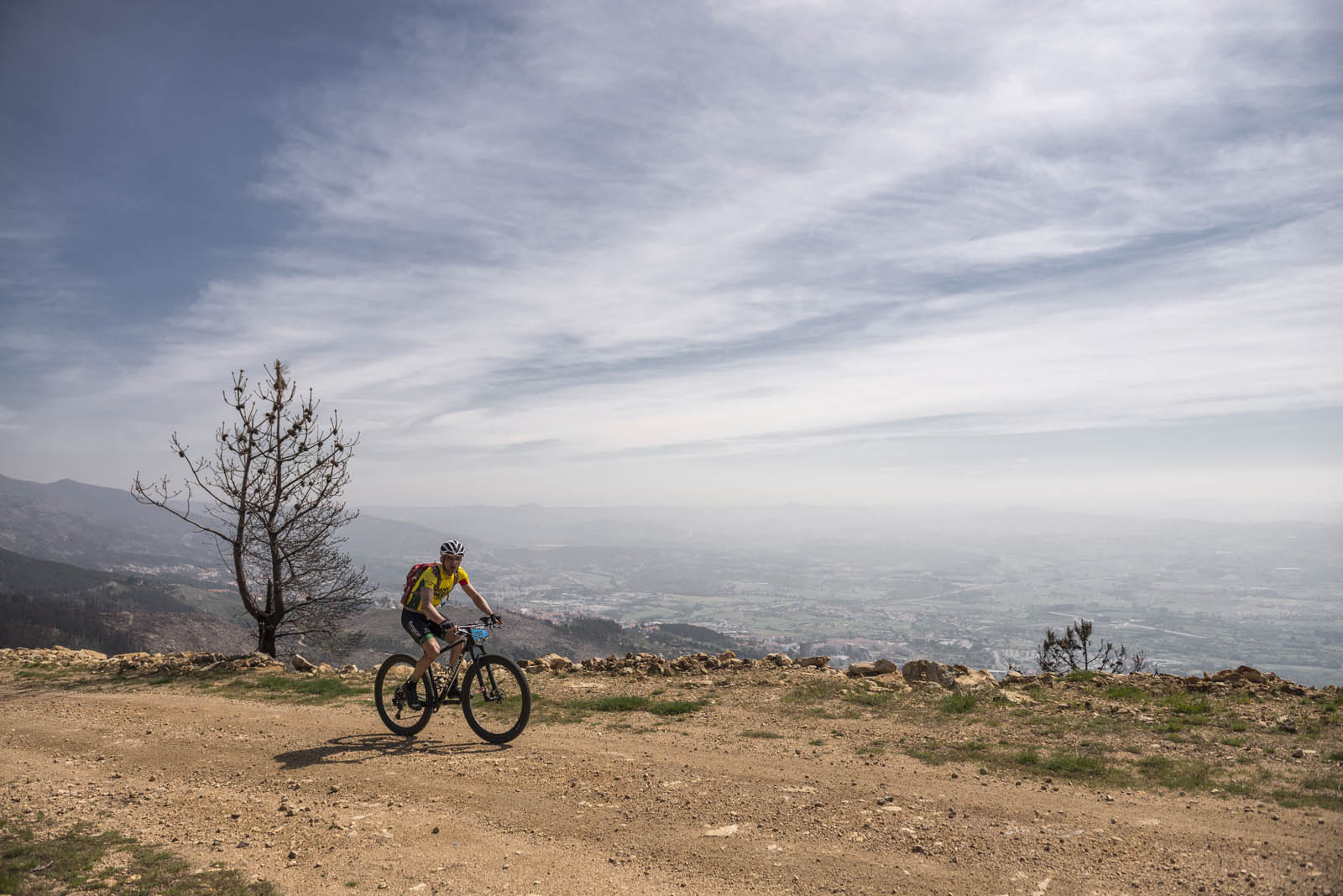
Here’s a stage‑by‑stage breakdown of the seven stage, in the 830 km race with around 16,000 m of climbing,
Stage 1 | Chaves → Armamar (~120 km / 2,200 m+)
Chaves, a Roman frontier town near Spain, with cobbled streets still echoing history. The first climbs are steady, not brutal, but they remind you this is no warm‑up ride. Soon the Douro Valley opens up, terraced vineyards plunging down to the river, villages clinging to the hillsides. The day ends in Armamar, where wine culture is everywhere. It’s a baptism of beauty and effort.

Stage 2 | Armamar → Manteigas (~135 km / 3,000 m+)
This is the queen stage. The road tilts skyward into the Serra da Estrela, Portugal’s highest mountains. Long, grinding climbs will test my pacing discipline. The air cools, the views widen, granite peaks, alpine meadows, and winding descents. By the time I reach Manteigas, nestled in a glacial valley, I’ll need a cup of tea!.
Stage 3 | Manteigas → Castelo Branco (~140 km / 2,000 m+)
Leaving the high mountains, we descend into rolling granite hills and pine forests. The terrain is faster, but will fatigue start to exert its toll? We’ll pass through historic villages with stone houses and narrow lanes. The finish is in Castelo Branco, a bustling regional capital, a contrast to the wild landscapes behind you.

Stage 4 | Castelo Branco → Alter do Chão (~120 km / 1,500 m+)
The race shifts tone here. The climbs soften, the tracks widen and the countryside begins to open. We are entering the Alentejo transition zone; oak forests, olive groves, and farmland. Hopefully I’ll now be into a rhythm as I roll toward Alter do Chão, a town famous for its Lusitano horses.
Stage 5 | Alter do Chão → Évora (~115 km / 1,200 m+)
The riding is smoother now, through cork oak savannas and golden plains, with wide horizons under a big sky. The finish in Évora, a UNESCO World Heritage city, is unforgettable: Roman temples, medieval walls, and whitewashed streets. I camped here once on a cycle touring trip, but that’s not mentioned in the tourist literature! It’s a reminder that this race is as much about heritage as it is about endurance.

Stage 6 | Évora → Albernoa (~125 km / 1,400 m+)
Now deep in the Alentejo heartland, the landscape is vast and open. Vineyards and olive groves stretch endlessly, dotted with white farmhouses. The riding is rolling, with punchy climbs that will sting tired legs. Albernoa is small and quiet, a perfect place to recover before the final push.
Stage 7 | Albernoa → Tavira (~110 km / 1,800 m+)
The Algarve hills bring rocky trails, cork forests, and one last test of climbing legs. Then, suddenly, the descent begins, down toward the Atlantic coast. Rolling into Tavira, with its tiled houses and the ocean glittering ahead, will be emotional; in a good way I hope. I will have crossed an entire country under my own power; that’s going to be an achievement.
Take a look at the TransPortugal website for more details and to join me in 2026! See the first article in the series here. Next I will talk about how I’m going to prepare myself, with the help of Ric Stern, founder of CycleCoach.


